
NATO’s Expansion Into Asia Is the Mother of Bad Ideas

Branko Marcetic

September 15, 2023

A little over a century ago, rising inter-imperial tensions coupled with a complicated, evidence board–like set of alliances pulled Europe into the most disastrous, pointless war the world had ever seen up to then, World War I. Today, a ’roided-up version of that scenario is looming, as US-China relations deteriorate and the NATO alliance begins to dip several toes in Asia, nearly six thousand miles away from its headquarters in Brussels.

Originally published at Jacobin on July 29, 2023

This isn’t an exaggeration. Asked recently at a joint appearance on Meet the Press whether NATO’s expansion into Asia was “inevitable,” Senators Tammy Duckworth (an Illinois Democrat) and Dan Sullivan (an Alaska Republican) answered yes.

“Oh, I think it is,” said Sullivan.

“I agree with my friend,” said Duckworth.

They had good reason to say so. The official communiqué from this year’s NATO summit in Vilnius mentioned China more than a dozen times — a step up from its Madrid Summit declaration last year, which mentioned China only once.

Its Brussels Summit communiqué the year before, considered quite hawkish at the time, warned that Beijing’s policies “can present challenges” but called for constructive dialogue and engagement. While the alliance’s 2010 Strategic Concept discussed only Russia, its 2022 iteration mentioned China nine times. A variety of establishment players, from influential lunatic John Bolton and the Brookings Institution to long-serving former US foreign policy officials, are among those who have written favorably about the idea.

But it’s not just words. Three years after the alliance for the first time invited its “Indo-Pacific partners” — Australia, New Zealand, Japan, and South Korea, alongside now–newly minted NATO members Finland and Sweden — to take part in a foreign ministerial meeting to discuss China’s rise, the four countries attended a NATO summit this year for the second time in a row.

All four had previously signed their own distinct Individual Partnership and Cooperation Programme agreements with NATO, and these invites are meant to further integrate into the alliance even as they remain outside it. Meanwhile, for months member states talked about opening a NATO liaison office in Tokyo, blocked for now thanks to French objections, though certain to land on the agenda again later.

“What happens in the Euro-Atlantic region matters for the Indo-Pacific, and what happens in the Indo-Pacific matters to the Euro-Atlantic,” NATO secretary general Jens Stoltenberg said at Vilnius, an echo of similar comments he’s made before. Stoltenberg has said that “security is no longer regional, security is global,” and finds that “this idea that we can say that China doesn’t matter for NATO is wrong.”

To that end, NATO “seek[s] new relationships with countries across Latin America, Africa and Asia,” he explainedfor “as autocratic regimes draw closer to one another, those of us who believe in freedom and democracy must stand together.”

NATO, it seems, will have to have not just a footprint in Asia, but eventually other continents far, far away from the European territory that all of its member states sit on. First conceived as Western Europe’s line of defense should the Soviet military sweep its way across the continent, the alliance’s mission appears to have evolved to fighting for democracy all over the world against the menace of autocracy. (Well, some autocracies, anyway.)

An Age-Old Dilemma

The danger of NATO’s creep into Asia is not that it’s actually going to add any of these countries as members. The NATO charter is explicit that new members can only come from Europe, and that only attacks in Europe and North America (as well as some of its members’ overseas colonies) qualify under its collective defense clause.

But the tragic events in Ukraine show how, even without becoming an official member, a state’s growing closeness — and, more importantly, military interoperability — with the alliance can sour relations and provoke rival, nationalistic governments to do rash and terrible things in a time of rising tensions, as part of a classic security dilemma.

According to Senator Duckworth herself, the nominally non-NATO quasi-alliances in the Asia-Pacific like the Quad that the United States has been building up are part and parcel of the alliance’s move into the region. Explaining why she thought that NATO’s expansion into Asia was “inevitable,” she told NBC’s Chuck Todd that “it already has started to do that with our successful AUKUS agreement between the UK, Australia, and the United States.”

Regardless of how those pushing for the move see their own actions, the rival powers in the region — namely China, North Korea, and Russia — have made clear their unhappiness with the idea, with Beijing threatening a “resolute response” should NATO move into the neighborhood. All three are increasing their own military and political cooperation partly as a response to Washington shoring up its own alliances.

What’s needed is a little bit of strategic empathy: the ability to put ourselves in the shoes of other countries and try and understand how our actions look from their eyes. There are rational reasons why China might look at the growing US military presence near its shores and see a threat.

The US government is the most aggressive state in the world, responsible for more than five hundred foreign military interventions since its founding, with more than a third of these taking place after 1999 — long after the Cold War was over, in other words — with just six of its post-9/11 wars alone accounting for 4.5 million deaths. NATO itself has multiple times served as the tip of the spear for US-led wars and regime-change operations, as in Afghanistan and Libya.

It’s also not just US adversaries that are alarmed by this possible NATO expansion. Though the press frames the existence of the alliance’s four Indo-Pacific partners as evidence that the region is “embracing” NATO, polling shows a great deal of ambivalence in Asian countries toward US-led alliances in the region if they’re meant as anti-China instruments.

In fact, among both leaders and ordinary people in Asia, the biggest concern is being caught in the middle of a US-China conflict, one that locals understand US actions play a role in stoking.

An Old Idea for a New Conflict

For many years, the idea of NATO merely expanding further and further into eastern Europe was a subject of controversy. All of a sudden, the alliance is pushing to leap into an entirely different continent, and there’s hardly even a debate. How did we get here?

NATO’s expansion into Asia isn’t a new idea. It was all the way back in June 1990, months after the fall of the Berlin Wall, that Japan, with eager US assent, for the first time sat down with alliance officials to explore how to expand their security cooperation. Echoing its later opposition to a Tokyo office for NATO, France boycotted the meeting, complaining that it violated the alliance’s charter.

In 2007, retired colonel Joseph Núñez, then serving in civilian capacity in Iraq, called not so much for NATO’s expansion as its multiplication, specifically “a minimum of six” NATO clones for Africa, the Asia-Pacific, South Asia, the Middle East, and North and South America each.

“While states may have legitimate concerns about things like sovereignty, the alternative to constructive cooperation is the wildfire of anarchy,” he wrote.

The alliance’s end-of-history aimlessness drove this thinking, all the way up to Stoltenberg’s conception of NATO today as a worldwide arsenal of democracy. Without a compelling reason to exist after the end of the Cold War and the dissolution of the Soviet Union, the alliance looked for a new one, starting closer to home with its intervention in Kosovo, before moving into the Middle East and North Africa as part of George W. Bush’s “war on terror.”

So did the lucrative arms trade. The role of weapons manufacturers in fueling NATO’s original eastward expansion was key, but the alliance’s potential movement into a new continent today stands to be just as profitable for the sector, with Asia and Oceania now the largest region for arms imports, the latter largely due to Australia’s military buildup, and the United States as the region’s largest supplier.

Celebrating that US arms sales had shot up by nearly 50 percent in 2022 to $52 billion, a Pentagon official noted that “allies are looking at China and the situations with China in Asia, and thinking they need to increase their capabilities.”

It’s an open question whether NATO’s movement into Asia is even sustainable. Despite the shot in the arm the Russian invasion of Ukraine has given the alliance, member states are still lagging behind meeting their military spending commitments just for the sake of Europe’s defense.

That same war, meanwhile, has sparked countless complaints about weapons shortages among allies a year in, with even US officials fearing that battling Russia has so drained its arms stockpiles, it might jeopardize any future attempt to help Taiwan against a Chinese invasion.

This should cast serious doubt on the alliance’s ability to somehow operate in two separate continents against two powerful militaries, at least without a massively wasteful and pollutive arms buildup.

There are other costs. A war with China, even by proxy, would be incredibly destructive economically the world over — including for working Americans who, for all the official invective, rely on China as a major and growing trade partner. Militarily, a US-China war would be devastating for both countries, with even a recent war game that tips the United States to win forecasting massive losses on the US side, and warning of a “pyrrhic victory” where it would end up “suffering more in the long run than the ‘defeated’ Chinese.”

The best course of action is acting now to avoid this scenario before it happens — something that involves not just dialogue, but a willingness from Washington and allies to accept some limits to their military footprint.

Unfortunately, the Donald Trump–era debate around NATO and US foreign policy, coupled with a McCarthyite turn in political discourse that’s gone into overdrive since the Ukraine invasion, has made criticism of NATO virtually taboo in the United States and Europe.

And so, having failed to understand the role of US military expansion in helping lead to one disastrous war, we seem ready to repeat the same blunder all over again elsewhere.

About the author
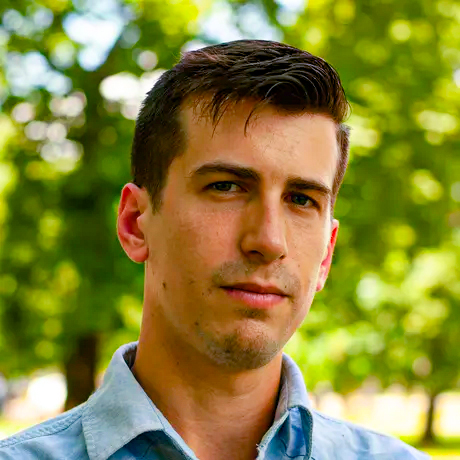
Branko Marcetic is a Jacobin staff writer and the author of Yesterday’s Man: The Case Against Joe Biden.

Originally published at Jacobin on July 29, 2023

Please support TFF if you thought this article was useful!

Click here now. Thanks!

Share

Leave a Reply

Your email address will not be published. Required fields are marked *

Related Posts

Drones over Nordic airports. No damage. No trace. No answers. Most assume Russia—but what if that’s not so? Why is there so much we are not told? This article explores the strategic ambiguity behind recent drone incursions and asks: Who else might benefit from sending drones into NATO airspace? From Ukraine’s surprising drone supremacy to Russia’s possible signalling, the silence itself may be the loudest message. These are the kinds of questions decent, intelligent investigative journalists and commentators could easily research. Why don’t they? Did you, dear reader, know or think of this? That the most powerful weapon in today’s conflicts might be the one that leaves no trace – and no answers. Just enough fear to justify the next move? Recently, drones have repeatedly appeared over Nordic airports and near some military facilities. They cause no damage – for which reason the designation “hybrid attack” is misleading but serves a purpose. These...
America’s Strategic Assault on Art, Academia, and the Imagination That Sustains Peace The United States once stood as a beacon of cultural audacity—a place where dissent could be beautiful, and beauty and innovation could challenge the present order of things. Its museums, universities, and artists helped inspire a worldwide imagination rooted in creative freedom and innovation. But today, under the Trump regime’s second term, those dynamic qualities are being systematically dismantled. Just read this. As Trump goes after the arts, many museums remain silent | CNN As CNN reports, the administration has launched an aggressive campaign to “eradicate improper ideology” from federally funded museums. Exhibitions involving race, gender, and identity are being censored or cancelled. Amy Sherald’s reimagining of the Statue of Liberty as a Black, trans woman was pulled from the Smithsonian after curators objected to its symbolism. Sherald warned that “history shows us what happens when governments demand loyalty...
Contrary to what we stated when publishing this Call, the UN General Assembly (GA) opened on September 9, 2025, in New York, not in Geneva, as we initially wrote. However, due to the host role-violating US ban on visas to Palestinians, the Special GA Segment on Palestine will be held in the UN Geneva from September 22. And it builds up to something historic. Anyhow, here is what we believe you must advocate or do to help stop the Israeli genocide. It’s called people’s power or citizens’ diplomacy. SHARE! The first of three appeals from TFF. The second is here, and the third here. Across the world, people are witnessing the systematic destruction of Palestinian lives, homes, and communities. The scale and intensity of Israel’s military operations — especially in Gaza — have led leading legal bodies, including the International Court of Justice, to warn of a plausible genocide. The...

Recent Articles

PressInfo # 141, December 21, 2001It’s time to prepare reconciliation between Albanians and Serbs PressInfo # 140, December 14, 2001Ibrahim Rugova’s decade-long leadership in Kosovo/a PressInfo # 139, 11. december, 2001En god nyhet: Jugoslaviens Sannings- och försoningskommission PressInfo # 139, 11. december, 2001Gode nyheder: Jugoslaviens Sandheds- og Forsoningskommission PressInfo # 139, December 11, 2001Good news: Yugoslavia’s Truth and Reconciliation Commission PressInfo # 138, November 8, 2001TFF co-founder PhD with thesis about young people with roots in other cultures PressInfo # 138, November 8, 2001TFF:s medstiftare doktor på avhandling om unga med ursprung i andra kulturer PressInfo # 137, October 17, 2001A new Marshall Plan: Advancing human security and controlling terrorism PressInfo # 136, October 15, 2001The UN and Annan really deserve it PressInfo # 135, October 10, 2001Preventing a terrorist mushroom cloud PressInfo # 134, 17 oktober, 2001Sverige og 11. september PressInfo # 134, October 9, 2001Sweden and September 11...
Peace is promoted by constructive proposals and dialogue Four preceding PressInfos have expressed concern over — and criticised — the ongoing, militarisation of the EU. Some will say: but there are no alternatives. We believe that there are always alternatives, that democracies are characterised by alternatives and choice, and that openly discussed alternatives will improve the quality and legitimacy of society’s decision–making. In addition, it is an intellectual and moral challenge to not only criticise but also be constructive. If we only tell people that we think they are wrong, they are not likely to listen. However, if we say: what are your views on this set of ideas and steps? — we may sometimes engage them in dialogue and sow a seed. Most people in power circles live their daily lives in in a time frame and a social space where certain ideas, viewpoints and concepts are just not...
Photos © TFF 2000 Read PressInfo 90 “Lift the Sanctions and Bring More Aid to Yugoslavia” See Pictures from Belgrade © TFF 2000 Please reprint, copy, archive, quote or re-post this item, but please retain the source.

TFF on Substack

Discover more from TFF Transnational Foundation & Jan Oberg.

Most Popular

PressInfo # 141, December 21, 2001It’s time to prepare reconciliation between Albanians and Serbs PressInfo # 140, December 14, 2001Ibrahim Rugova’s decade-long leadership in Kosovo/a PressInfo # 139, 11. december, 2001En god nyhet: Jugoslaviens Sannings- och försoningskommission PressInfo # 139, 11. december, 2001Gode nyheder: Jugoslaviens Sandheds- og Forsoningskommission PressInfo # 139, December 11, 2001Good news: Yugoslavia’s Truth and Reconciliation Commission PressInfo # 138, November 8, 2001TFF co-founder PhD with thesis about young people with roots in other cultures PressInfo # 138, November 8, 2001TFF:s medstiftare doktor på avhandling om unga med ursprung i andra kulturer PressInfo # 137, October 17, 2001A new Marshall Plan: Advancing human security and controlling terrorism PressInfo # 136, October 15, 2001The UN and Annan really deserve it PressInfo # 135, October 10, 2001Preventing a terrorist mushroom cloud PressInfo # 134, 17 oktober, 2001Sverige og 11. september PressInfo # 134, October 9, 2001Sweden and September 11...
Peace is promoted by constructive proposals and dialogue Four preceding PressInfos have expressed concern over — and criticised — the ongoing, militarisation of the EU. Some will say: but there are no alternatives. We believe that there are always alternatives, that democracies are characterised by alternatives and choice, and that openly discussed alternatives will improve the quality and legitimacy of society’s decision–making. In addition, it is an intellectual and moral challenge to not only criticise but also be constructive. If we only tell people that we think they are wrong, they are not likely to listen. However, if we say: what are your views on this set of ideas and steps? — we may sometimes engage them in dialogue and sow a seed. Most people in power circles live their daily lives in in a time frame and a social space where certain ideas, viewpoints and concepts are just not...
Photos © TFF 2000 Read PressInfo 90 “Lift the Sanctions and Bring More Aid to Yugoslavia” See Pictures from Belgrade © TFF 2000 Please reprint, copy, archive, quote or re-post this item, but please retain the source.
Read More
Imagen-thumbnail-The-Transnational-1
PressInfo # 141, December 21, 2001It’s time to prepare reconciliation between Albanians and Serbs PressInfo # 140, December 14, 2001Ibrahim Rugova’s decade-long leadership in Kosovo/a PressInfo # 139, 11. december, 2001En god nyhet: Jugoslaviens Sannings- och försoningskommission PressInfo # 139, 11. december, 2001Gode nyheder: Jugoslaviens Sandheds- og Forsoningskommission PressInfo # 139, December 11, 2001Good news: Yugoslavia’s Truth and Reconciliation Commission PressInfo # 138, November 8, 2001TFF co-founder PhD with thesis about young people with roots in other cultures PressInfo # 138, November 8, 2001TFF:s medstiftare doktor på avhandling om unga med ursprung i andra kulturer PressInfo # 137, October 17, 2001A new Marshall Plan: Advancing human security and controlling terrorism PressInfo # 136, October 15, 2001The UN and Annan really deserve it PressInfo # 135, October 10, 2001Preventing a terrorist mushroom cloud PressInfo # 134, 17 oktober, 2001Sverige og 11. september PressInfo # 134, October 9, 2001Sweden and September 11...
Imagen-thumbnail-The-Transnational-1
Peace is promoted by constructive proposals and dialogue Four preceding PressInfos have expressed concern over — and criticised — the ongoing, militarisation of the EU. Some will say: but there are no alternatives. We believe that there are always alternatives, that democracies are characterised by alternatives and choice, and that openly discussed alternatives will improve the quality and legitimacy of society’s decision–making. In addition, it is an intellectual and moral challenge to not only criticise but also be constructive. If we only tell people that we think they are wrong, they are not likely to listen. However, if we say: what are your views on this set of ideas and steps? — we may sometimes engage them in dialogue and sow a seed. Most people in power circles live their daily lives in in a time frame and a social space where certain ideas, viewpoints and concepts are just not...
Imagen-thumbnail-The-Transnational-1
Photos © TFF 2000 Read PressInfo 90 “Lift the Sanctions and Bring More Aid to Yugoslavia” See Pictures from Belgrade © TFF 2000 Please reprint, copy, archive, quote or re-post this item, but please retain the source.
Imagen-thumbnail-The-Transnational-1
Av FRANK SØHOLM GREVIL 16 augusti 2004  Vi er nu nået til tredje akt i det absurde teaterstykke, der i analogi med de store skueprocesser i Moskva 1936-38 er blevet døbt ‘Grevil-sagen’. Første akt bestod i min anonyme fremlæggelse af egenhændigt nedklassificerede rapporter i Berlingske Tidende i februar og marts. Andet akt udgjordes af min fremtræden med navn og billede i Information i april samt den efterfølgende mediestorm, som uden min direkte medvirken kostede en forsvarsminister taburetten samt en sigtelse for brud på tavshedspligten. Tredje akt bliver en retssag, hvor jeg står tiltalt for at have overtrådt straffelovens bestemmelser om uberettiget videregivelse eller udnyttelse af fortrolige oplysninger. Statsanklageren har ovenikøbet valgt at påberåbe sig særligt skærpende omstændigheder. Da jeg aldrig har modtaget betaling for at stille rapporterne til rådighed eller lade mig interviewe, må det skærpende bestå i, at “videregivelsen eller udnyttelsen er sket under sådanne omstændigheder, at det påfører...
Imagen-thumbnail-The-Transnational-1
Af Svenska Irakkommittén mot de Ekonomiska Sanktionerna (SIES) 13 september 2002 FN:s ekonomiska sanktioner mot Irak har nu pågått i tolv år och drabbat det irakiska folket med svåra lidanden. Enligt FN:s egna siffror har mer än 1,5 miljoner människor, varav ca 600 000 barn, dött som en direkt följd av sanktionerna. Dessutom har ett lågintensivt bombkrig mot landet pågått under dessa år. Av all denna förödelse- orsakad huvudsakligen av amerikansk och brittisk politik- har Saddam Husseins brutala och diktatoriska regim snarast stärkts än försvagats. Nu förbereder USA under president Bushs ledning ett storskaligt bombkrig mot Irak som kommer att innebära ett ännu större lidande för civilbefolkningen. Ett sådant krig kommer dessutom att ytterligare undergräva freden och säkerheten i världen. Att upprätta en demokratisk regim i Irak är det irakiska folkets angelägenhet och får enligt folkrätten inte ske med krigshandlingar utifrån. Folkrätten och FN:s stadgar måste respekteras. Vi vädjar till...

