Zivadin Jovanovic: The West's ultimatum to Serbia won't work

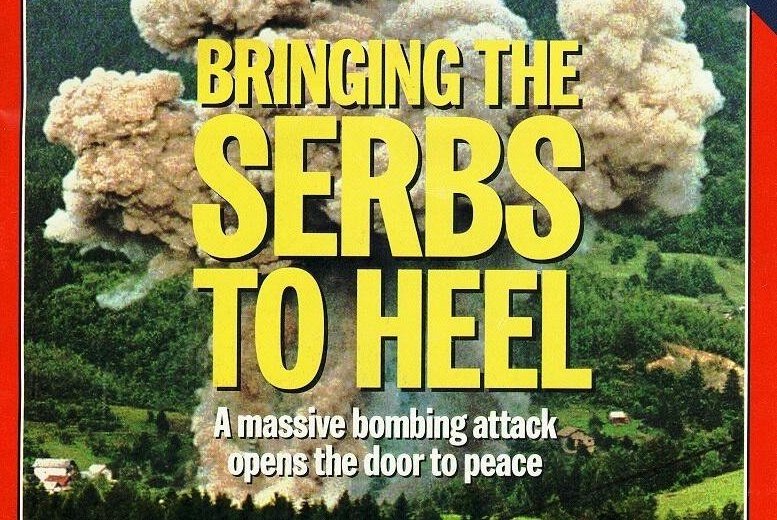
Time magazine, March 24, 1999

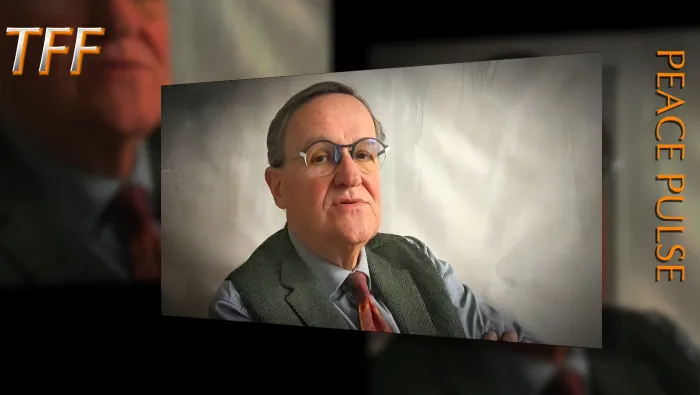
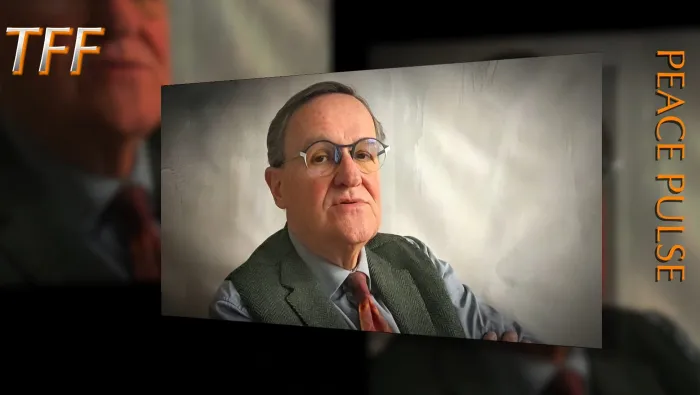
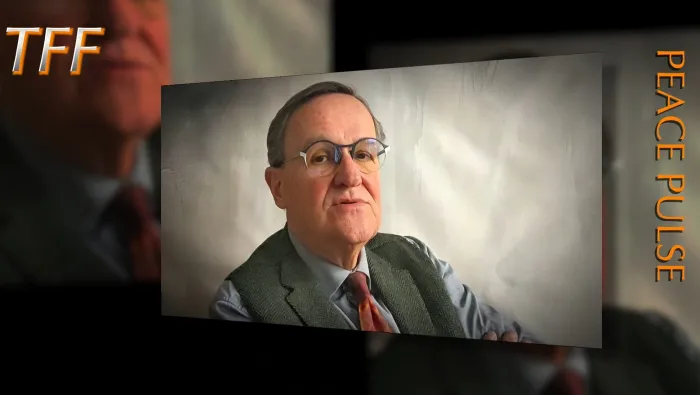
Živadin Jovanović,

Yugoslav Minister of Foreign Affairs 1998-2000

January 29, 2023

If the wording of the ‘Basic Agreement’ presented by the western “Great Five” (EU, USA, Germany, France, Italy) on Kosovo and Metohija, which has been circulated for a while in the Albanian media and as of January 20 in the Serbian social networks as well, is anywhere close to the authentic one, it cannot be viewed as any sort of an agreement. It’s rather an ultimatum compelling Serbia to de facto recognize the enforced secession of her Province.

The document, originally attributed to French President Macron and German Chancellor Scholz (1), leaders of two largest European democracies, stands out as another gross violation of UN Security Council Resolution 1244, the basic principles of democratic international relations, the UN Charter, the Paris Charter, and the OSCE’s Helsinki Final Act.
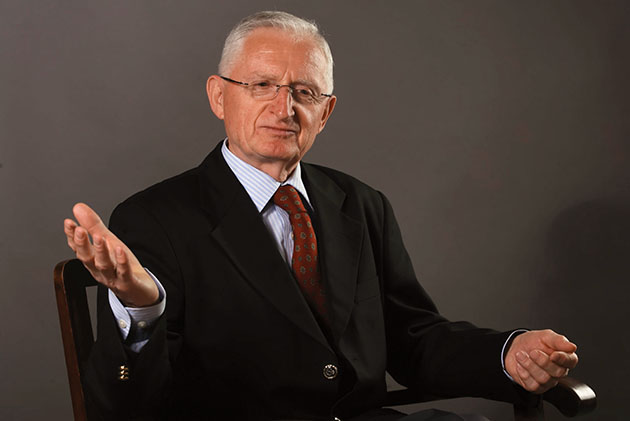
The author. Read more about him here.

Inspired by their own power and greatness, this text humiliates Serbia and the Serbian nation by telling Serbia to observe equality, sovereignty, territorial integrity and state insignia of the so-called Kosovo and, for that matter, of all other states except her own sovereignty, territorial integrity and her internationally recognized borders confirmed as such by the UN, the OSCE, other international organizations, and the Badinter Arbitration Committee.

The Scholz-Macron paper demands Serbia not to oppose so-called Kosovo’s membership in all international organizations, including the United Nations. Therein, Serbia is expected to cooperate in deconstruction of her own integrity, own Constitutional order and international standing so that the ‘Kosovo case’ subsequently could not be utilized by any party as a precedent for future unilateral secessions.

The authors intend to use Serbia’s yielding to such an ultimatum as a way for non-recognizers (Spain, Romania, Slovakia, Greece, and Cyprus), which involve five EU and four NATO members, to recognize so-called Kosovo and thus heal internal disunity within both the EU and NATO.

Their other objective is to transfer all responsibility for casualties, devastation and consequences of using weapons with depleted uranium during NATO’s 1999 aggression onto Serbia, even though Serbia herself was its victim.

Their final objective is to incorporate Serbia into a so-called ‘alliance of democracies’ set up to confront Russia’s and China’s alleged “autocratic” governments.

This shameful paper will stay in the future as an illustration of how the expansionist objectives of the military NATO aggression against Serbia (FRY) in 1999 had for decades been continued by other means such as ultimatums and threats of economic and political coercion.

The Scholz-Macron proposal has now turned into a US-backed EU initiative, coupled with the latest activities of the ‘Big Five’ in Belgrade, are nothing short of usurpation and prejudging the prerogatives and decision of the UN Security Council as the only body in charge of deciding on issues pertaining to peace and security; they ignore UN Security Council Resolution 1244 as a universally binding legal act of the highest order and seek to drag Serbia, a peaceful and militarily neutral country, into a global confrontation. This reckless, one-sided and arbitrary course of action, in addition to being anti-Serb, is fraught with unforeseeable consequences.

Kosovo and Metohija is not a frozen conflict, as purported by the West and echoed in Belgrade, nor can it be resolved by presenting an ultimatum to Serbia. A hypothetical acceptance of the ultimatum would not save either peace or safety of Serbs in the Province, only help the conflict potential accumulate, encourage other separatisms and humiliate Serbia and the Serbian nation.

The root cause and the essence of the problem concerning Kosovo and Metohija lies in the geopolitics determined by the dominance of the leading Western powers and their expansion to the East. NATO does its utmost to turn Kosovo and Metohija, as well as the entire Serbia, into a springboard for its incursion eastwards, to pit Serbia against Russia and China.

The issue of the status of the Province of Kosovo and Metohija, however, cannot be resolved by accepting any ultimatum but instead by insisting on the observance of the Constitution, as well as of the internationally recognized borders and UN SC Resolution 1244.

Even if Serbia surrendered to the ultimatum, the Serbs in Kosovo and Metohija would remain unsafe, their illegally occupied property would not be repossessed, some 250,000 expelled Serbs and other non-Albanians would remain unable to return to their homes freely and safely, Serbian state-owned and socially-owned property would remain usurped.

If anything, Serbia should be aware that yielding to an ultimatum could only result in speeding up dangerous trends of confrontation and escalation, at the regional and the European level, just the same.

A potential consent given by Serbia to the so-called Kosovo joining the United Nations and other international organizations would be tantamount to the recognition of the latter’s international legal personality, entailing all sorts of consequences, beginning with an escalation and going all the way to the creation of Greater Albania at the expense of state territories not only of Serbia but also of few other Balkan states.

Is there a single soul in Serbia who believes in new guarantees and promises given by the West? Was it not Angela Merkel who recently cautioned us to not trust their assurances! Or has our gullibility already entered the stage of no limits!

The promises involving self-governance for Serbs, the Community of Serbian Municipalities (albeit one established ‘pursuant to the Kosovo Constitution’, according to Chollet), and ‘formalizing the status of the Serbian Orthodox Church’, do not in the least alter the true character of the Scholz-Macron (EU’s) ultimatum. Why?

Because its essence lies in the request that Serbia first and tacitly and later on formally also legally, recognize the independence of so-called Kosovo and accept its membership in the United Nations and other international organizations. The rest is merely a part of a more or less convincing diplomatic cosmetics and the tactics to ‘save the face’ of the victim.

History warns that peace, stability, and better life cannot be preserved by means of conceding to ultimatums at the expense of sovereignty and territorial integrity. Let us recall that the Munich Agreement of 1938 on carving out the Sudetenland from Czechoslovakia, an ultimatum made behind Russia’s back, which was also publicly touted by the then-leaders of Germany, France, Italy and the United Kingdom as the one saving peace in Europe. It is very perilous that those countries’ contemporary leaders are unaware of past lessons.

The position taken vis-à-vis the Constitution, UN SC Resolution 1244, internationally recognized borders of Serbia, and international law, is not a matter of an ultimatum or of a one-off deal, but rather the matter of the position taken vis-à-vis the survival of Serbia as an old European state, and of Serbian nation as a factor contributing to peace, stability and progress in the Balkans, Europe, and the world.

Such status and reputation of Serbia are reaffirmed by the majority of countries in the world, by some two-thirds of the planet’s population, who did not and wish not to recognize this illegal construct as a state; among those is a not so small number of countries which, at Serbia’s request, withdrew their previous recognitions without fearing ultimatum-fashioned pressures from the West when doing so. 

Note

  1. No official version of the “Basic Agreement” in any language has been published. I have only an unofficial text in Serbian composed of the preamble and 10 articles, which are widely circulated by electronic mass media.
  2. Jovanovic is also President of the Belgrade Forum for a World of Equals.
  3. As of January 2023, 99 countries have recognised the Republic of Kosovo, down from 119 in 2015. See all details and countries here.
No data was found

Share

Leave a Reply

Your email address will not be published. Required fields are marked *

Related Posts

The issue of state sovereignty under international law and its inconsistencies and duplicities has become more complex than ever, especially after the outbreak of the Ukraine war and the “Ukrainization” of the Taiwan issue (even though Taiwan is not a sovereign state like Ukraine). However, the focus of this analysis is relatively modest: we examine a region of the Western Balkans in which the countries have already (more or less voluntarily) lost or given up their statehood and sovereignty. The concept of the so-called “Western Balkans” (WB) – comprising Serbia, Montenegro, Albania, Kosovo, North Macedonia, and Bosnia and Herzegovina – was concocted in the corridors of power in Brussels and Washington. This artificial sub-region, with its flexible geography and borders, lacks logical coherence. It effectively creates a buffer zone of weak states that are unlikely to ever meet the criteria for EU integration despite being offered European perspectives and hopes. However, these...
. He first tells why he was in Belgrade during the bombing and then explains how that bombing was a turning point towards the new multipolar – and better – world we are now approaching. First Beoforum’s version on YouTube. Then you can always find it on TFF’s Vimeo Channel – because we boycott Goggle-owned YouTube as much as we can.
Neutrality Studies is an excellent YouTube platform and homepage. TFF recommends it highly. NATO turned 75 on April 4, 2024. The only problem is that it should have been dissolved when its historical raisin d’etre – the Soviet Union and the Warsaw Pact – disappeared completely. But Western militarists exploited the opportunity and expanded it right up to the border of Russia – while Russia was on its knees. Against all Western promises to Mikhail Gorbachev that NATO would not expand “one inch,” NATO helped greatly in destroying neutral Yugoslavia. Then it wooed the former Warsaw Pact countries to join, the 11th in that process being Ukraine. The autistic hubris alliance listened to no warnings from Western experts, former US ambassadors in Moscow or scholars. While Russia’s invasion of Ukraine was certainly a counterproductive move that NATO could use to its own advantage, it doesn’t take a professor of political...

Recent Articles

We know that medical personnel have failed to report to higher authorities wounds that were clearly caused by torture and that they have neglected to take steps to interrupt this torture. In addition, they have turned over prisoners’ medical records to interrogators who could use them to exploit the prisoners’ weaknesses or vulnerabilities. We have not yet learned the extent of medical involvement in delaying and possibly falsifying the death certificates of prisoners who have been killed by torturers. A May 22 article on Abu Ghraib in the New York Times states that “much of the evidence of abuse at the prison came from medical documents” and that records and statements “showed doctors and medics reporting to the area of the prison where the abuse occurred several times to stitch wounds, tend to collapsed prisoners or see patients with bruised or reddened genitals.” http://www.truthout.org/docs_04/080604J.shtml#16 According to the article, two doctors who...
Jan Øberg behandler i artiklen en lang række faktorer, som ligger til grund for den måde vores samfund er organiseret på – og derfor også for konflikter. Artiklen introducerer således sammenhængen mellem familien, foreninger, regeringer, NGO’ er, nation, stat, nationalstat og alliancer for på denne måde bedre at kunne forstå konflikter og i sidste ende blive klogere mht. at løse disse. Øberg, der er fortaler for global bevidsthed, hvilket skal ses i lyset af den øgede globalisering, skelner mellem kulturkamp og kulturdialog. Endelig behandles begrebet magt og magtesløshed: giver magt ret til at udøve magt – fordi man mener at have ret? Litteraturliste og arbejdsspørgsmål efter artiklen. Ordene vi bruger om verden I satellitperspektiv kan man godt tale om den menneskelige familie eller menneskeheden. Udtrykket understreger, at der eksisterer – eller burde eksistere – et fællesskab fordi vi alle er mennesker og sammen bebor denne klode og ingen anden. Og...
Kapitel 2: Forskellige sider af Europa og USA…fortsat 2.5 Militære relationer I forbifarten har vi allerede sagt nogle ting om USA’s militære situation. Kig lige en gang til på afsnit 2.3. Nu skal vi uddybe det militære forhold mellem USA og EU. Der er en række ligheder mellem visse europæiske landes og USA’s militær. Næsten alle er med på en eller anden måde i NATO, direkte som medlem – selv Island, der ikke har et forsvar – eller indirekte i Partnerskab for Fred. USA og Canada er med i OSCE (på dansk OSSE), Organisationen for Sikkerhed og Samarbejde i Europa, der tæller over 50 lande. USA samt England og Frankrig er kernevåbenstater og de har styrker til intervention langt borte fra hjemlandet, om end USA’s er tifold større. Alle har også en omfattende våbeneksport og bruger den som et middel til at tjene penge og få loyale venner på, det...

TFF on Substack

Discover more from TFF Transnational Foundation & Jan Oberg.

Most Popular

We know that medical personnel have failed to report to higher authorities wounds that were clearly caused by torture and that they have neglected to take steps to interrupt this torture. In addition, they have turned over prisoners’ medical records to interrogators who could use them to exploit the prisoners’ weaknesses or vulnerabilities. We have not yet learned the extent of medical involvement in delaying and possibly falsifying the death certificates of prisoners who have been killed by torturers. A May 22 article on Abu Ghraib in the New York Times states that “much of the evidence of abuse at the prison came from medical documents” and that records and statements “showed doctors and medics reporting to the area of the prison where the abuse occurred several times to stitch wounds, tend to collapsed prisoners or see patients with bruised or reddened genitals.” http://www.truthout.org/docs_04/080604J.shtml#16 According to the article, two doctors who...
Jan Øberg behandler i artiklen en lang række faktorer, som ligger til grund for den måde vores samfund er organiseret på – og derfor også for konflikter. Artiklen introducerer således sammenhængen mellem familien, foreninger, regeringer, NGO’ er, nation, stat, nationalstat og alliancer for på denne måde bedre at kunne forstå konflikter og i sidste ende blive klogere mht. at løse disse. Øberg, der er fortaler for global bevidsthed, hvilket skal ses i lyset af den øgede globalisering, skelner mellem kulturkamp og kulturdialog. Endelig behandles begrebet magt og magtesløshed: giver magt ret til at udøve magt – fordi man mener at have ret? Litteraturliste og arbejdsspørgsmål efter artiklen. Ordene vi bruger om verden I satellitperspektiv kan man godt tale om den menneskelige familie eller menneskeheden. Udtrykket understreger, at der eksisterer – eller burde eksistere – et fællesskab fordi vi alle er mennesker og sammen bebor denne klode og ingen anden. Og...
Kapitel 2: Forskellige sider af Europa og USA…fortsat 2.5 Militære relationer I forbifarten har vi allerede sagt nogle ting om USA’s militære situation. Kig lige en gang til på afsnit 2.3. Nu skal vi uddybe det militære forhold mellem USA og EU. Der er en række ligheder mellem visse europæiske landes og USA’s militær. Næsten alle er med på en eller anden måde i NATO, direkte som medlem – selv Island, der ikke har et forsvar – eller indirekte i Partnerskab for Fred. USA og Canada er med i OSCE (på dansk OSSE), Organisationen for Sikkerhed og Samarbejde i Europa, der tæller over 50 lande. USA samt England og Frankrig er kernevåbenstater og de har styrker til intervention langt borte fra hjemlandet, om end USA’s er tifold større. Alle har også en omfattende våbeneksport og bruger den som et middel til at tjene penge og få loyale venner på, det...
Read More
Imagen-thumbnail-The-Transnational-1
We know that medical personnel have failed to report to higher authorities wounds that were clearly caused by torture and that they have neglected to take steps to interrupt this torture. In addition, they have turned over prisoners’ medical records to interrogators who could use them to exploit the prisoners’ weaknesses or vulnerabilities. We have not yet learned the extent of medical involvement in delaying and possibly falsifying the death certificates of prisoners who have been killed by torturers. A May 22 article on Abu Ghraib in the New York Times states that “much of the evidence of abuse at the prison came from medical documents” and that records and statements “showed doctors and medics reporting to the area of the prison where the abuse occurred several times to stitch wounds, tend to collapsed prisoners or see patients with bruised or reddened genitals.” http://www.truthout.org/docs_04/080604J.shtml#16 According to the article, two doctors who...
Imagen-thumbnail-The-Transnational-1
Jan Øberg behandler i artiklen en lang række faktorer, som ligger til grund for den måde vores samfund er organiseret på – og derfor også for konflikter. Artiklen introducerer således sammenhængen mellem familien, foreninger, regeringer, NGO’ er, nation, stat, nationalstat og alliancer for på denne måde bedre at kunne forstå konflikter og i sidste ende blive klogere mht. at løse disse. Øberg, der er fortaler for global bevidsthed, hvilket skal ses i lyset af den øgede globalisering, skelner mellem kulturkamp og kulturdialog. Endelig behandles begrebet magt og magtesløshed: giver magt ret til at udøve magt – fordi man mener at have ret? Litteraturliste og arbejdsspørgsmål efter artiklen. Ordene vi bruger om verden I satellitperspektiv kan man godt tale om den menneskelige familie eller menneskeheden. Udtrykket understreger, at der eksisterer – eller burde eksistere – et fællesskab fordi vi alle er mennesker og sammen bebor denne klode og ingen anden. Og...
Imagen-thumbnail-The-Transnational-1
Kapitel 2: Forskellige sider af Europa og USA…fortsat 2.5 Militære relationer I forbifarten har vi allerede sagt nogle ting om USA’s militære situation. Kig lige en gang til på afsnit 2.3. Nu skal vi uddybe det militære forhold mellem USA og EU. Der er en række ligheder mellem visse europæiske landes og USA’s militær. Næsten alle er med på en eller anden måde i NATO, direkte som medlem – selv Island, der ikke har et forsvar – eller indirekte i Partnerskab for Fred. USA og Canada er med i OSCE (på dansk OSSE), Organisationen for Sikkerhed og Samarbejde i Europa, der tæller over 50 lande. USA samt England og Frankrig er kernevåbenstater og de har styrker til intervention langt borte fra hjemlandet, om end USA’s er tifold større. Alle har også en omfattende våbeneksport og bruger den som et middel til at tjene penge og få loyale venner på, det...
Imagen-thumbnail-The-Transnational-1
Background Christian Harleman and Jan Oberg conducted a fact-finding mission to Burundi between November 26 and December 6, 2003. (See websites about the country here). The first TFF mission took place in March 1999. Unfortunately, since then it has not been practically possible to implement the co-operation with Burundi’s Ministry of Education and Burundian NGOs that was planned at the time. The 2003 mission had three purposes. First, to do fact-finding in general about the situation and, in particular, the progress under the Arusha Peace Process. Second, to explore the possibilities for co-operation between the government and relevant NGOs on the one hand and TFF on the other, in order to develop and deepen the existing competence in fields such as conflict-understanding, reconciliation and peace-building. Finally, third, to find out whether it would be possible, in co-operation with the Swedish Rescue Services Agency (Statens Räddningsverk), to establish a health care unit that...
Imagen-thumbnail-The-Transnational-1
Former UN Under-Secretary-General with special responsibility for peacekeeping operations TFF associate August 20, 2003 YRINGHAM, Mass.- Ralph Bunche was born in Detroit 100 years ago today (August 7, 2003). His passionate determination to get results did not extend to seeking credit for them, so his work is better remembered than he is. Of all his many accomplishments – civil rights pioneer, Nobel Peace Prize laureate, chief drafter of two chapters of the United Nations charter, negotiator of the armistices that ended the first Arab-Israeli war – Bunche said he was proudest of developing what came to be known as peacekeeping. Setting up the United Nations Truce Supervision Organization in Palestine in 1948, Bunche formulated the principles that have governed peacekeeping operations ever since. In the 1956 Suez crisis, working with Secretary General Dag Hammarskjold and Lester Pearson of Canada, he organized the first peacekeeping force, the United Nations Emergency Force...
– nästan 11 månader Till Sofia nästan 11 månader # 1  Till Sofias huvudsida Till alla Privata Foto-Serier