Jan Oberg: The Occident is now militarising itself to death for a second time

May others avoid that fate…

The first Cold War played out between the East and the Western Occident and the East lost with the demise of the Soviet Union and the Warsaw Pact. Both built – more or less faithfully – on Western mechanical thinking, one on Marx and other socialist/communist philosophers, the other on twisting moral philosopher Adam Smith into a God’s hand individualist utility market prophet and pair him with various types of liberal, parliamentary democracy thinking.

The Soviet and East European system had come to the end of its history, but what about the twin Occidental brother, the US-EU system? The latter had not only survived or ”won;” it had also forced the Soviet Union to spend an unsustainable proportion of its resources on the military.

And now the Second West is destined to follow suit.

The point I shall make is that the West – US-EU-based system to put it crudely – is now falling into the same fateful trap leading to civilian and cultural decline and soon fall. It happens because of its own unwise, confrontational and arms-addicted thinking, arrogance and global full-spectrum dominance aims, which is all out of sync with the emerging real world. The Occident is not threatened in any vital way by anybody else, it’s all psycho-political projection, paranoia and indicative of a deep, perhaps unconscious, manifest irrational destiny.

To be number one in a system is, without exception, always dangerous. You get obsessed with teaching and mastering, avoiding to learn and be humble vis-a-vis the achievements of others, rely on groupthink – we cannot possibly be wrong – and end up overdoing the sphere where you may still think that you have a comparative advantage: Ever-growing militarism and war-planning (although the wars have been lost). A permanent warrior mentality coupled with the incremental implementation of a war economy. Brilliant scholar Michael Klare called his 1972 book, War Without End. I have, for decades, called it MIMAC – the Military-Industrial-Media-Academic Complex – leading to militarism without end.

But there is much much more to militarism than weapons. They – and warfare – are always only symptoms of the deep-lying conflicts and full-spectrum civilisational malaise, which is something the militarists, the media and politics, as well as most of the peace movement, has never really appreciated. And from a peace-making point of view, this is as effective as a doctor who mistakes the symptoms for the causes.

In 1978, with the guidance of Johan Galtung, then at the Chair of Peace and Conflict Research at Oslo University, I published a small theoretical book with the long title, ”The New International Military Order – The Real Threat to Human Security. An Essay on Global Armament, Structural Militarism and Alternative Security.” (To be digitalised shortly. See also Fischer, Nolte and Oberg, Winning Peace. Strategies and Ethics for a Nuclear-Free World, 1989).

I went through virtually all existing theories about militarism from Alfred Vagts and onwards and decided to define militarism in four components:

  1. Increasing isomorphism between the civilian and the military spheres of society, whether symmetric or a-symmetric integration. The civilian sphere is influenced more and more by the military – that can be employed to handle refugees, human rights, change other governments to be like us, etc – and the military sphere that employs more and more civilian techniques in, say, management, communication and way of arguing its interest policy.
  2. Radical monopoly of the military – inspired by Ivan Illic’s concept of radical monopoly in which elites (here MIMAC elites) deprive people of initiative and genuine security by offering their professional ’services’ which, de facto, serves themselves rather than the citizenry.
  3. Social vulnerability of all other sectors than those that can be defended by the military – take a modern example, the Corona pandemic: There was no defence and security when it happened since security is defined basically by what can be met with military means – which climate, health, social issues and cultural challenges can not.
  4. Manifest insecurity as a result of all this, of national military, deterrence-based thinking instead of individual-global civilian, common security-based and peace-oriented thinking. Or, perhaps, a civil-military defensive defence in which the two components are never mixed by separation in time and space. And what does perceived insecurity lead to? A call for and acceptance of even more weaponry based, of course, on a permanent production of more or less invented ’enemies’. In short, the perfect perpetuum mobile that leads society deeper down into unstoppable addiction, health decline and final self-destruction.

Contemporary militarism is a rather sophisticated, multi-dimensional and -levelled social phenomenon that virtually nobody does research on.

Long gone are the days when it was defined by excessive use of weapons, code of honour, duels, marches, uniforms and parades on the central square of capitals.

Perhaps today’s best metaphor would be a cancer with metastases in the social body and not easy to detect by the untrained, innocent eye?

So out of the normal does the regional and global ramifications of what is associated with the catchword ”Ukraine” – the de facto NATO-Russia War from 2022 – seem to me that we need to talk about it in completely different ways from those employed since the war broke out.

Gone from virtually all Western decision-makers and the large majority of citizens seem most of the characteristics of what we used to be proud of in so-called Western culture:

• a fair hearing of all sides,

• self-criticism,

• analysis/diagnosis,

• impact assessment,

• rationality,

• human rights (e.g. vis-a-vis the Russian innocent citizens who are met with collective punishment),

• balanced media reporting with competing interpretations promoting debate,

• political prudence,

• the anti-militarism of political parties from the left-social democracies to the Left, normal decency, and condemnation of public and political lying.
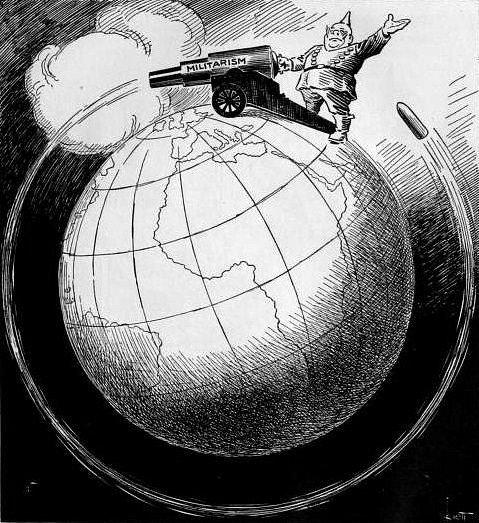
Further, we witness:

• a mind-boggling construction of demonstrably false narratives,

• emotionalist politics,

• lack of vision and foresight of the consequences of one’s own actions on even a two-week time horizon;

• blue and yellow clothes and flags and other symbol politics replacing every substance,

• mainstream/maelstrom media going pro-war and pro-armament against every public service criteria – the list could be longer.

It’s taken about a year only to destroy large parts of the core way of thinking of the Western Occident. 85% of the world’s people live in countries that do not support the West’s policies. It’s increasingly self-isolating but still believes it speaks for the ’international community.’

Tragically beyond words is that today’s West lives on hatred and warfare as its main, if not only, socio-political glue. (Yes, it may fragment when people have suffered enough economically and begin to understand how much they have been fooled by their media and politicians).

Other – much more important – issues for the West itself and humanity are cancelled to mobilise the resources demanded by the militarist society, the garrison state.

No leader or government operates on a vision of the good society, the desirable future – instead, it’s 24/7 militarist muddling through and make-believe.

There is much more to say. I am sharing only my deep worries and grappling thoughts on how possibly to understand the times we live in. At this moment I am grateful for Buddhist thinker and TFF Associate, David Loy, who has suggested that people in our culture are haunted by some kind of deep feeling of void, of lack of meaning and understanding – and, in that situation, choose militarism as a new secularised religion – the standing together about at least something rather than nothingness.

When I listen to Western leaders defying every negotiated solution and diplomacy and stating that war is the road to peace, I believe it cannot be understood intellectually-analytically but only as a belief. And thus, that NATO is the new church and the media, politicians, researchers and citizens who believe in militarism at all costs, even to ourselves, make up the congregation with God’s own country as the saviour on their side in the struggle to finally get rid of the other Western – evil – brother and thereby gather imagined/dystopian strength to take on China and other non-West.

I am not a believer. Both my analysis and my intuition lead me to believe that Ukraine is that militarist religion’s Waterloo and spells the end of the Western-dominated world. If we survive the demise of the global US Empire and concomitantly of NATO, a new much more balanced, multipolar, cooperative and peaceful world becomes both thinkable, desirable and possible.

It can’t be excluded that 2023 will show which way it goes.
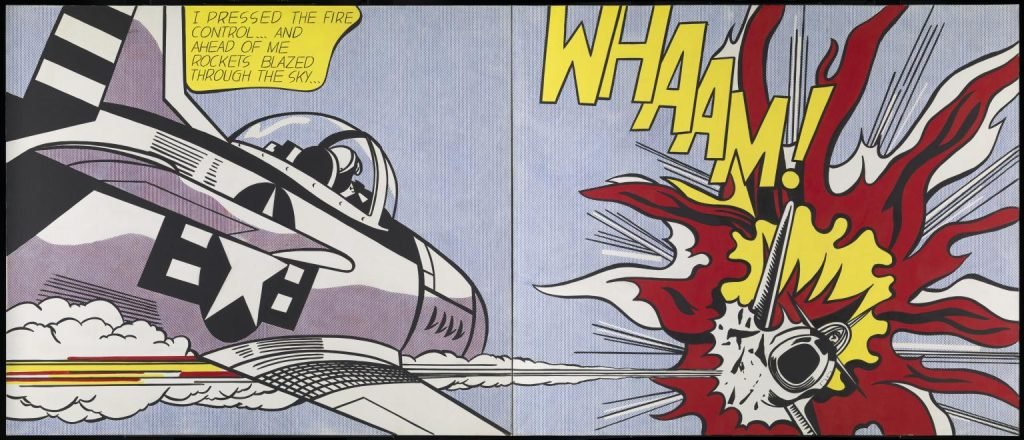
Whaam! 1963 Roy Lichtenstein 1923-1997

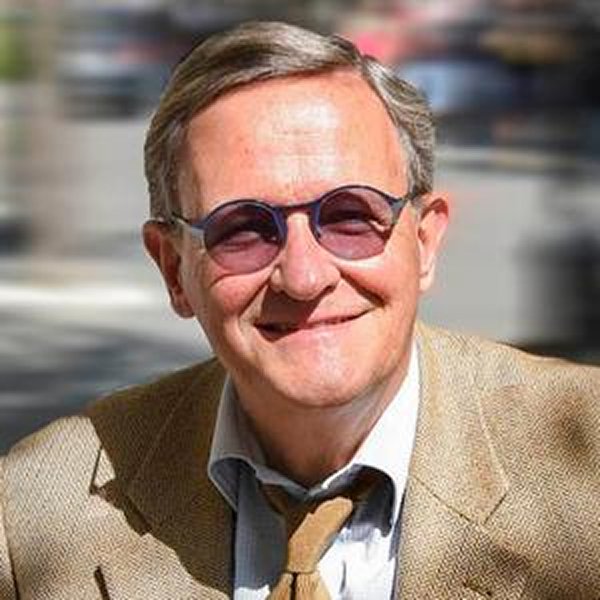
Peace & future researcher + ‌Art Photographer

Share

Leave a Reply

Your email address will not be published. Required fields are marked *

Related Posts

PRESS RELEASE – 6 OCTOBER 2025 LAY DOWN YOUR ARMSPEACE PRIZE FOR 2025 is awarded Francesca Albanese The United Nations Special Rapporteur on the occupied Palestinian territories – as the person who, in accordance with Alfred Nobel’s will, has “done the most or the best work for fraternity between nations and for the abolition or reduction of standing armies as well as for the holding and promotion of peace congresses.” Francesca Albanese has forcefully and unwaveringly worked against Israel’s full-scale war on the occupied Palestinian territories, in particular Israel´s ongoing genocide against the Palestinian people. She has confronted Israel’s systematic war crimes and crimes against humanity in a truly global outreach. Further, she has brought governments, international organisations and people’s groups together to underline the responsibility of the world at large to act and to stop arming, enabling, and profiting from Israel’s ongoing criminal actions. But first of all, Albanese...
Officially, the drones were not identified. By simply thinking critically – which journalists and selected experts no longer do – there may be a good reason for that. And this article will never be mentioned in Denmark… Drones over Denmark. No damage. No trace. No answers. Yet the headlines scream “Russian threat,” and Prime Minister Mette Frederiksen speaks with a certainty that defies logic: “We don’t know they were Russian—but we know Russia is the biggest threat to Europe.” It could be nobody else – unless you make an interest analysis which I did two days ago. This is not security policy. It’s theatre. And the audience is being played. Let’s rewind. These drones—unphotographed, untracked, unclaimed—appear and vanish like ghosts. Airports shut down. Panic spreads. Military budgets swell. And the narrative hardens: Russia is behind it. But what if that’s not just wrong but deliberately misleading? Here’s a hypothesis for...
And why the world, especially the EU, must now declare itself independent of the United States. UN’s 80th anniversary This year, the United Nations celebrates the 80th anniversary of its founding. The UN was formed after the scourge of the Second World War, in which 70 to 85 million people were killed and many countries were destroyed. That war came on the heels of the First World War, which also killed between 15 and 22 million people. After the Second World War, especially after the use of nuclear weapons by the United States, which marked a turning point in the history of warfare that could result in the end of civilisation as we know it, humanity decided to move away from the era of empires and big power politics and usher in a new era of peace, freedom and cooperation. These were the principles enshrined in the UN Charter. The United States...

Recent Articles

We know that medical personnel have failed to report to higher authorities wounds that were clearly caused by torture and that they have neglected to take steps to interrupt this torture. In addition, they have turned over prisoners’ medical records to interrogators who could use them to exploit the prisoners’ weaknesses or vulnerabilities. We have not yet learned the extent of medical involvement in delaying and possibly falsifying the death certificates of prisoners who have been killed by torturers. A May 22 article on Abu Ghraib in the New York Times states that “much of the evidence of abuse at the prison came from medical documents” and that records and statements “showed doctors and medics reporting to the area of the prison where the abuse occurred several times to stitch wounds, tend to collapsed prisoners or see patients with bruised or reddened genitals.” http://www.truthout.org/docs_04/080604J.shtml#16 According to the article, two doctors who...
Jan Øberg behandler i artiklen en lang række faktorer, som ligger til grund for den måde vores samfund er organiseret på – og derfor også for konflikter. Artiklen introducerer således sammenhængen mellem familien, foreninger, regeringer, NGO’ er, nation, stat, nationalstat og alliancer for på denne måde bedre at kunne forstå konflikter og i sidste ende blive klogere mht. at løse disse. Øberg, der er fortaler for global bevidsthed, hvilket skal ses i lyset af den øgede globalisering, skelner mellem kulturkamp og kulturdialog. Endelig behandles begrebet magt og magtesløshed: giver magt ret til at udøve magt – fordi man mener at have ret? Litteraturliste og arbejdsspørgsmål efter artiklen. Ordene vi bruger om verden I satellitperspektiv kan man godt tale om den menneskelige familie eller menneskeheden. Udtrykket understreger, at der eksisterer – eller burde eksistere – et fællesskab fordi vi alle er mennesker og sammen bebor denne klode og ingen anden. Og...
Kapitel 2: Forskellige sider af Europa og USA…fortsat 2.5 Militære relationer I forbifarten har vi allerede sagt nogle ting om USA’s militære situation. Kig lige en gang til på afsnit 2.3. Nu skal vi uddybe det militære forhold mellem USA og EU. Der er en række ligheder mellem visse europæiske landes og USA’s militær. Næsten alle er med på en eller anden måde i NATO, direkte som medlem – selv Island, der ikke har et forsvar – eller indirekte i Partnerskab for Fred. USA og Canada er med i OSCE (på dansk OSSE), Organisationen for Sikkerhed og Samarbejde i Europa, der tæller over 50 lande. USA samt England og Frankrig er kernevåbenstater og de har styrker til intervention langt borte fra hjemlandet, om end USA’s er tifold større. Alle har også en omfattende våbeneksport og bruger den som et middel til at tjene penge og få loyale venner på, det...

TFF on Substack

Discover more from TFF Transnational Foundation & Jan Oberg.

Most Popular

We know that medical personnel have failed to report to higher authorities wounds that were clearly caused by torture and that they have neglected to take steps to interrupt this torture. In addition, they have turned over prisoners’ medical records to interrogators who could use them to exploit the prisoners’ weaknesses or vulnerabilities. We have not yet learned the extent of medical involvement in delaying and possibly falsifying the death certificates of prisoners who have been killed by torturers. A May 22 article on Abu Ghraib in the New York Times states that “much of the evidence of abuse at the prison came from medical documents” and that records and statements “showed doctors and medics reporting to the area of the prison where the abuse occurred several times to stitch wounds, tend to collapsed prisoners or see patients with bruised or reddened genitals.” http://www.truthout.org/docs_04/080604J.shtml#16 According to the article, two doctors who...
Jan Øberg behandler i artiklen en lang række faktorer, som ligger til grund for den måde vores samfund er organiseret på – og derfor også for konflikter. Artiklen introducerer således sammenhængen mellem familien, foreninger, regeringer, NGO’ er, nation, stat, nationalstat og alliancer for på denne måde bedre at kunne forstå konflikter og i sidste ende blive klogere mht. at løse disse. Øberg, der er fortaler for global bevidsthed, hvilket skal ses i lyset af den øgede globalisering, skelner mellem kulturkamp og kulturdialog. Endelig behandles begrebet magt og magtesløshed: giver magt ret til at udøve magt – fordi man mener at have ret? Litteraturliste og arbejdsspørgsmål efter artiklen. Ordene vi bruger om verden I satellitperspektiv kan man godt tale om den menneskelige familie eller menneskeheden. Udtrykket understreger, at der eksisterer – eller burde eksistere – et fællesskab fordi vi alle er mennesker og sammen bebor denne klode og ingen anden. Og...
Kapitel 2: Forskellige sider af Europa og USA…fortsat 2.5 Militære relationer I forbifarten har vi allerede sagt nogle ting om USA’s militære situation. Kig lige en gang til på afsnit 2.3. Nu skal vi uddybe det militære forhold mellem USA og EU. Der er en række ligheder mellem visse europæiske landes og USA’s militær. Næsten alle er med på en eller anden måde i NATO, direkte som medlem – selv Island, der ikke har et forsvar – eller indirekte i Partnerskab for Fred. USA og Canada er med i OSCE (på dansk OSSE), Organisationen for Sikkerhed og Samarbejde i Europa, der tæller over 50 lande. USA samt England og Frankrig er kernevåbenstater og de har styrker til intervention langt borte fra hjemlandet, om end USA’s er tifold større. Alle har også en omfattende våbeneksport og bruger den som et middel til at tjene penge og få loyale venner på, det...
Read More
Imagen-thumbnail-The-Transnational-1
We know that medical personnel have failed to report to higher authorities wounds that were clearly caused by torture and that they have neglected to take steps to interrupt this torture. In addition, they have turned over prisoners’ medical records to interrogators who could use them to exploit the prisoners’ weaknesses or vulnerabilities. We have not yet learned the extent of medical involvement in delaying and possibly falsifying the death certificates of prisoners who have been killed by torturers. A May 22 article on Abu Ghraib in the New York Times states that “much of the evidence of abuse at the prison came from medical documents” and that records and statements “showed doctors and medics reporting to the area of the prison where the abuse occurred several times to stitch wounds, tend to collapsed prisoners or see patients with bruised or reddened genitals.” http://www.truthout.org/docs_04/080604J.shtml#16 According to the article, two doctors who...
Imagen-thumbnail-The-Transnational-1
Jan Øberg behandler i artiklen en lang række faktorer, som ligger til grund for den måde vores samfund er organiseret på – og derfor også for konflikter. Artiklen introducerer således sammenhængen mellem familien, foreninger, regeringer, NGO’ er, nation, stat, nationalstat og alliancer for på denne måde bedre at kunne forstå konflikter og i sidste ende blive klogere mht. at løse disse. Øberg, der er fortaler for global bevidsthed, hvilket skal ses i lyset af den øgede globalisering, skelner mellem kulturkamp og kulturdialog. Endelig behandles begrebet magt og magtesløshed: giver magt ret til at udøve magt – fordi man mener at have ret? Litteraturliste og arbejdsspørgsmål efter artiklen. Ordene vi bruger om verden I satellitperspektiv kan man godt tale om den menneskelige familie eller menneskeheden. Udtrykket understreger, at der eksisterer – eller burde eksistere – et fællesskab fordi vi alle er mennesker og sammen bebor denne klode og ingen anden. Og...
Imagen-thumbnail-The-Transnational-1
Kapitel 2: Forskellige sider af Europa og USA…fortsat 2.5 Militære relationer I forbifarten har vi allerede sagt nogle ting om USA’s militære situation. Kig lige en gang til på afsnit 2.3. Nu skal vi uddybe det militære forhold mellem USA og EU. Der er en række ligheder mellem visse europæiske landes og USA’s militær. Næsten alle er med på en eller anden måde i NATO, direkte som medlem – selv Island, der ikke har et forsvar – eller indirekte i Partnerskab for Fred. USA og Canada er med i OSCE (på dansk OSSE), Organisationen for Sikkerhed og Samarbejde i Europa, der tæller over 50 lande. USA samt England og Frankrig er kernevåbenstater og de har styrker til intervention langt borte fra hjemlandet, om end USA’s er tifold større. Alle har også en omfattende våbeneksport og bruger den som et middel til at tjene penge og få loyale venner på, det...
Imagen-thumbnail-The-Transnational-1
Background Christian Harleman and Jan Oberg conducted a fact-finding mission to Burundi between November 26 and December 6, 2003. (See websites about the country here). The first TFF mission took place in March 1999. Unfortunately, since then it has not been practically possible to implement the co-operation with Burundi’s Ministry of Education and Burundian NGOs that was planned at the time. The 2003 mission had three purposes. First, to do fact-finding in general about the situation and, in particular, the progress under the Arusha Peace Process. Second, to explore the possibilities for co-operation between the government and relevant NGOs on the one hand and TFF on the other, in order to develop and deepen the existing competence in fields such as conflict-understanding, reconciliation and peace-building. Finally, third, to find out whether it would be possible, in co-operation with the Swedish Rescue Services Agency (Statens Räddningsverk), to establish a health care unit that...
Imagen-thumbnail-The-Transnational-1
Former UN Under-Secretary-General with special responsibility for peacekeeping operations TFF associate August 20, 2003 YRINGHAM, Mass.- Ralph Bunche was born in Detroit 100 years ago today (August 7, 2003). His passionate determination to get results did not extend to seeking credit for them, so his work is better remembered than he is. Of all his many accomplishments – civil rights pioneer, Nobel Peace Prize laureate, chief drafter of two chapters of the United Nations charter, negotiator of the armistices that ended the first Arab-Israeli war – Bunche said he was proudest of developing what came to be known as peacekeeping. Setting up the United Nations Truce Supervision Organization in Palestine in 1948, Bunche formulated the principles that have governed peacekeeping operations ever since. In the 1956 Suez crisis, working with Secretary General Dag Hammarskjold and Lester Pearson of Canada, he organized the first peacekeeping force, the United Nations Emergency Force...
– nästan 11 månader Till Sofia nästan 11 månader # 1  Till Sofias huvudsida Till alla Privata Foto-Serier