May 2025

Showing 1-10 of 4016 stories

Sort by
Categories

Year

Author / Contributor

Region

pascalsfront
Background and CV Dr Pascal Lottaz joined TFF as an Associate in May 2025. Very short bio Dr. Pascal Lottaz is an Associate Professor at Kyoto University’s Graduate School of Law and Hakubi Center (Japan). He researches neutrality in international relations and directs the network neutralitystudies.com. Short bio Dr. Pascal Lottaz is an Associate Professor at Kyoto University, where he investigates neutrality in international relations and directs the research network neutralitystudies.com. He received his MA and PhD from the National Graduate Institute for Policy Studies (GRIPS) and previously researched and taught at Waseda University and Temple University (Japan Campus). His recent books include Sweden, Japan, and the Long Second World War (Routledge, 2022), Neutral Beyond the Cold: Neutral States and the Post-Cold War International System (Lexington Books, 2022), and Notions of Neutralities (Lexington Books, 2019). He also wrote articles on “Neutrality Studies” for Oxford Encyclopedia and “The Politics and Diplomacy of Neutrality”...
mw960367054-2JDK5jZZ430-unsplash
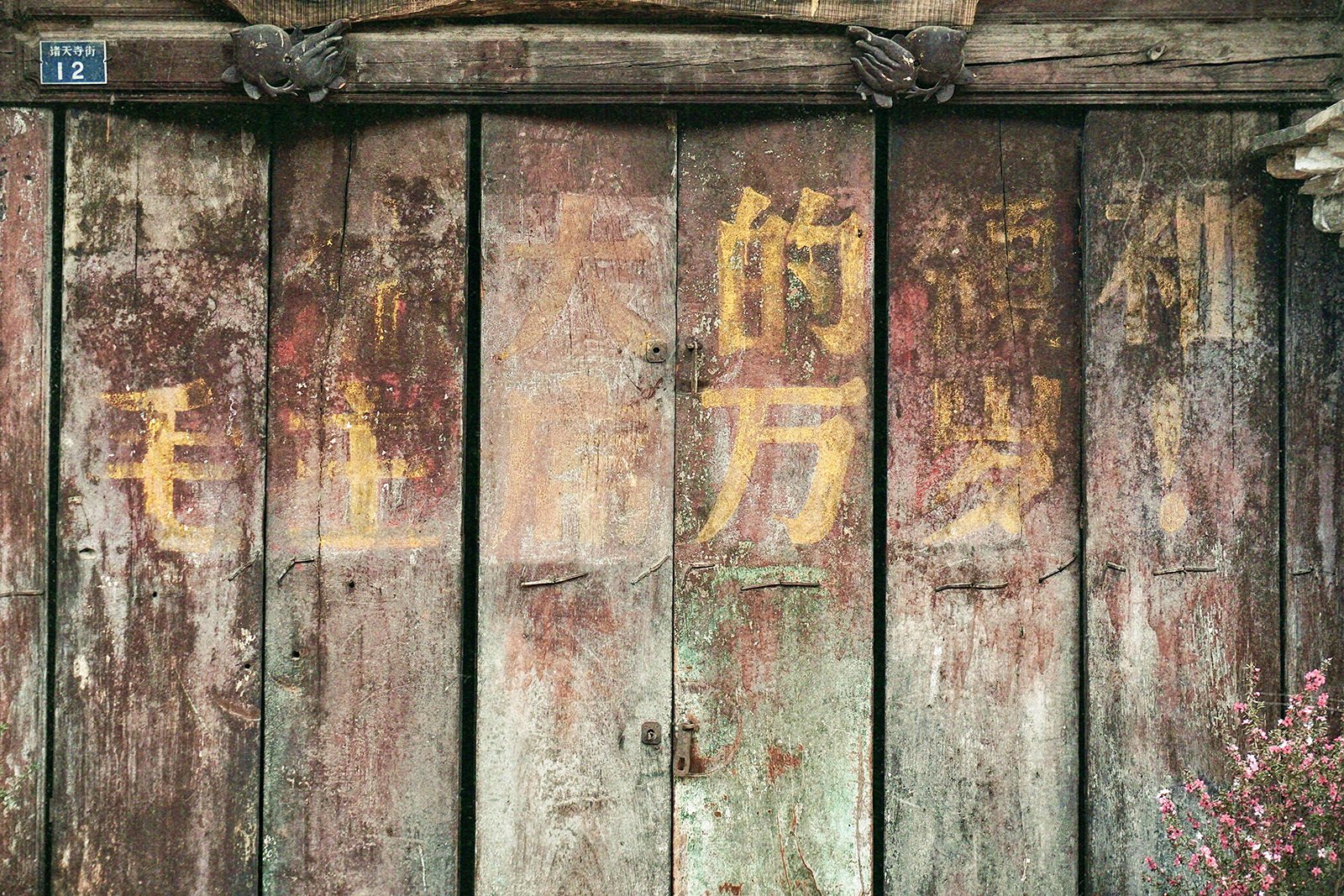
On the invisible codes of culture that shape our worldviews long before memory or reason. This analysis was initially published on the author’s “China21 Journal” which contains several analyses of related issues, China-Western relations and how to increase knowledge and mutual understanding. Last week, we picked up our 5-year-old son from his public kindergarten in Beijing. On the way home, he proudly recited a Tang Dynasty poem by heart — 春望 (Chūnwàng, or Spring View, 757 AD), one of the most famous and widely recited works from that vibrant dynastic era over a thousand years ago, written by the renowned poet 杜甫 (Dù Fǔ, 712–770). The poem reflects on wartime and exile — hardly light or child-friendly themes. But that’s not the point. Children (and adults) recite ancient poems not just for their content, but for their rhythm, rhyme, tone, and the cultural feeling embedded in them. This is how cultural programming begins: not through rules or explanations,...

ab283fae-bc08-419e-bc71-6197099a085d_1024x457
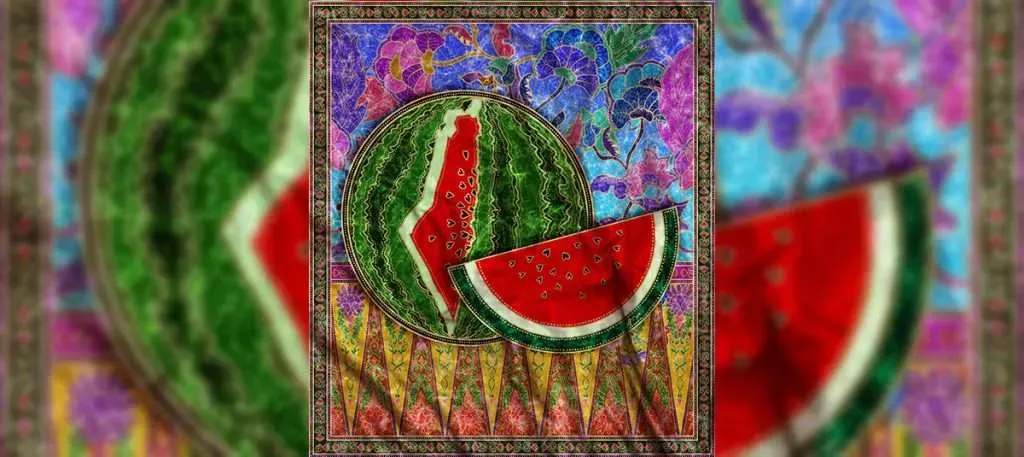
TFF board member If we’re being honest, with few exceptions, most of us have stopped counting the days since the genocide in Gaza began. We’ve also lost track of the death toll—especially the number of children. We can offer excuses: being overwhelmed with our personal and professional lives, the sheer intensity and frequency of global crises (Ukraine, trade wars, or the unbearable ease with which Trump is reshaping the world in his own image). But the truth is, sporadic mass protests in some Western cities, citizen petitions, intellectuals’ appeals, and podcast appearances do little to change the reality—or rather, the nightmare—of the people in Palestine. You’ll often read a post saying that eight billion people condemn the genocide that keeps going and going, seemingly with no end in sight. We blame ourselves for our helplessness, our despair, and our rage—at least those of us who refuse to forget the images...
freepik__primitive-violent-caveman__10528
AI generated imagine on Freepik A 2-minute “appetiser” for an extended interview by China’s CGTN. More to come!
Politiken-Head
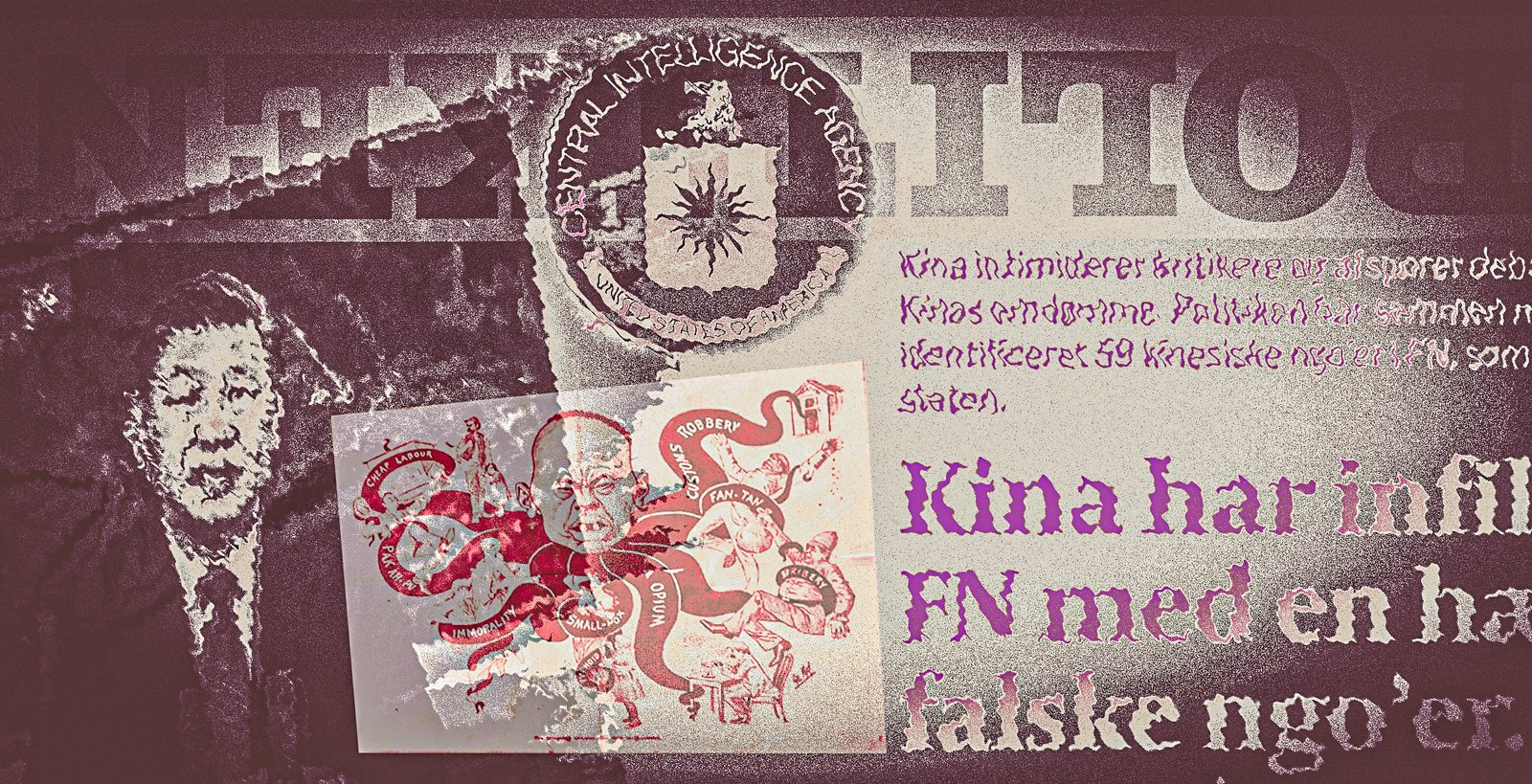
And of course, they don’t tell their readers The development – or decline – of the Danish daily newspaper Politiken as a quality newspaper in the field of foreign policy pains me. Allow me a personal, somewhat nostalgic introduction. I wrote frequently for Politiken from 1971 to 1994. As a 20-year-old sociology student, I was naturally proud to be published in what was then a prestigious, liberal media outlet, which was initially shaped by Hørup’s anti-militarism and cultural radicalism. The broadest and best social debate took place in Politiken’s columns and on its debate pages. Over the years, I also got to meet some of the newspaper’s most important ‘influencers,’ editors such as Agner Ahm, not least the legendary feature editor Harald Mogensen, and later – believe it or not – I was invited to lunch with editor-in-chief Herbert Pundik himself at Hotel Kong Frederik, during which he told me,...