December 2016

Showing 1-10 of 5203 stories

Sort by
Categories

Year

Author / Contributor

Region

Photo-Story--Humans-in-Liberated-Aleppo
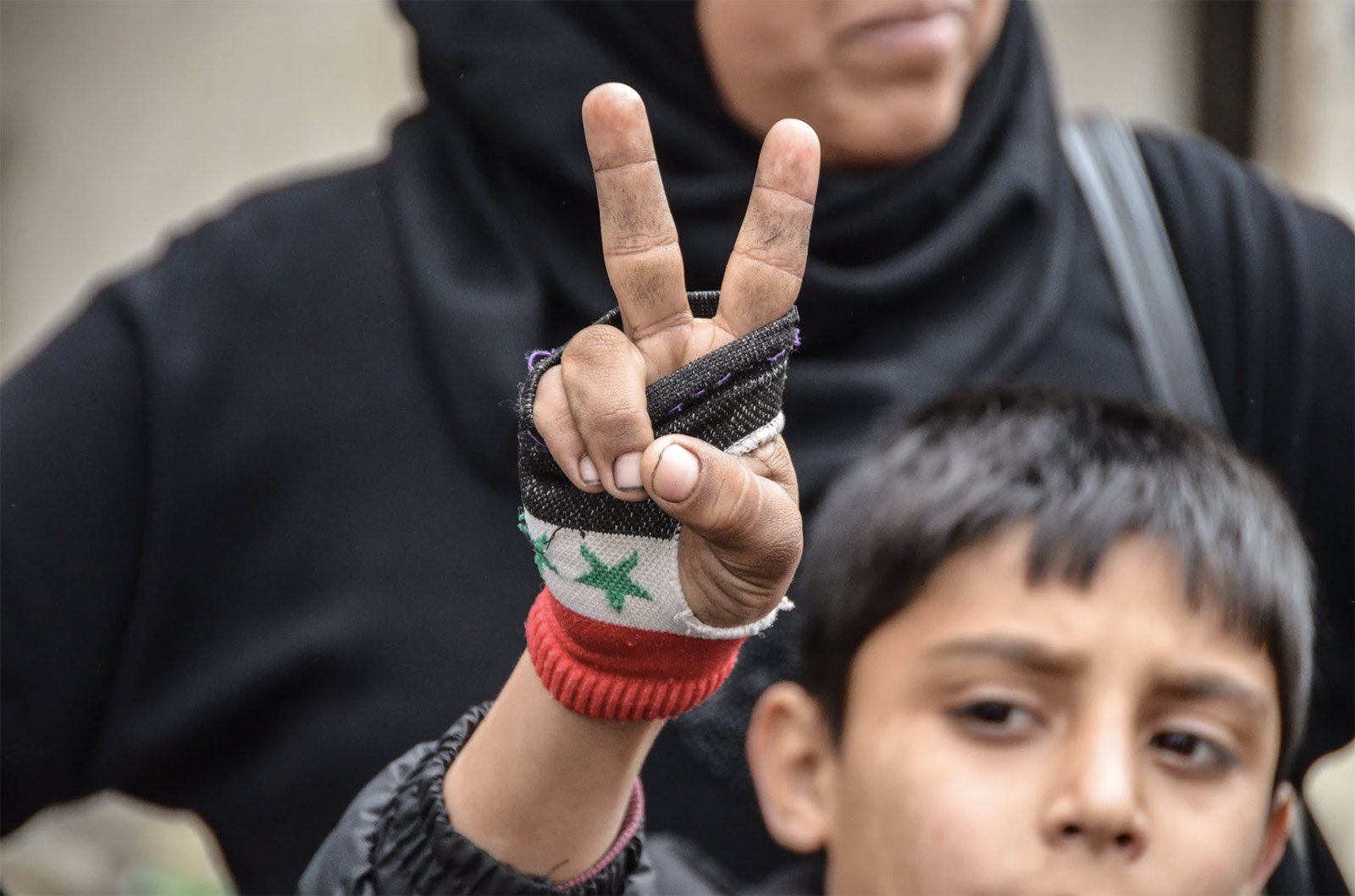
TFF’s first four photo series from Aleppo have been seen by 95,000 people so far and been featured in online magazines from Vietnam to California, among them a German site with a million visitors daily. Above is the fifth story. It’s about the terrible, systematic destruction of this UNESCO World Heritage site but also about an Aleppo businessman who turned his damaged factory into a school for 1500 children. It had been damaged by the Free Syrian Army and al-Nushra who looted it and then used it as HQ. It’s situated in the Sheikh Najjar Industrial City outside Aleppo that – before the militant/terrorist occupation – represented no less than 50% of Syria’s total industrial production. During two years, these children received no education. Now they do. And hope is slowly coming back. This photo story ends with some “civilisational questions” by Jan Oberg who also took the photos. This...
Photo-story--The-destruction-of-Eastern-Aleppo
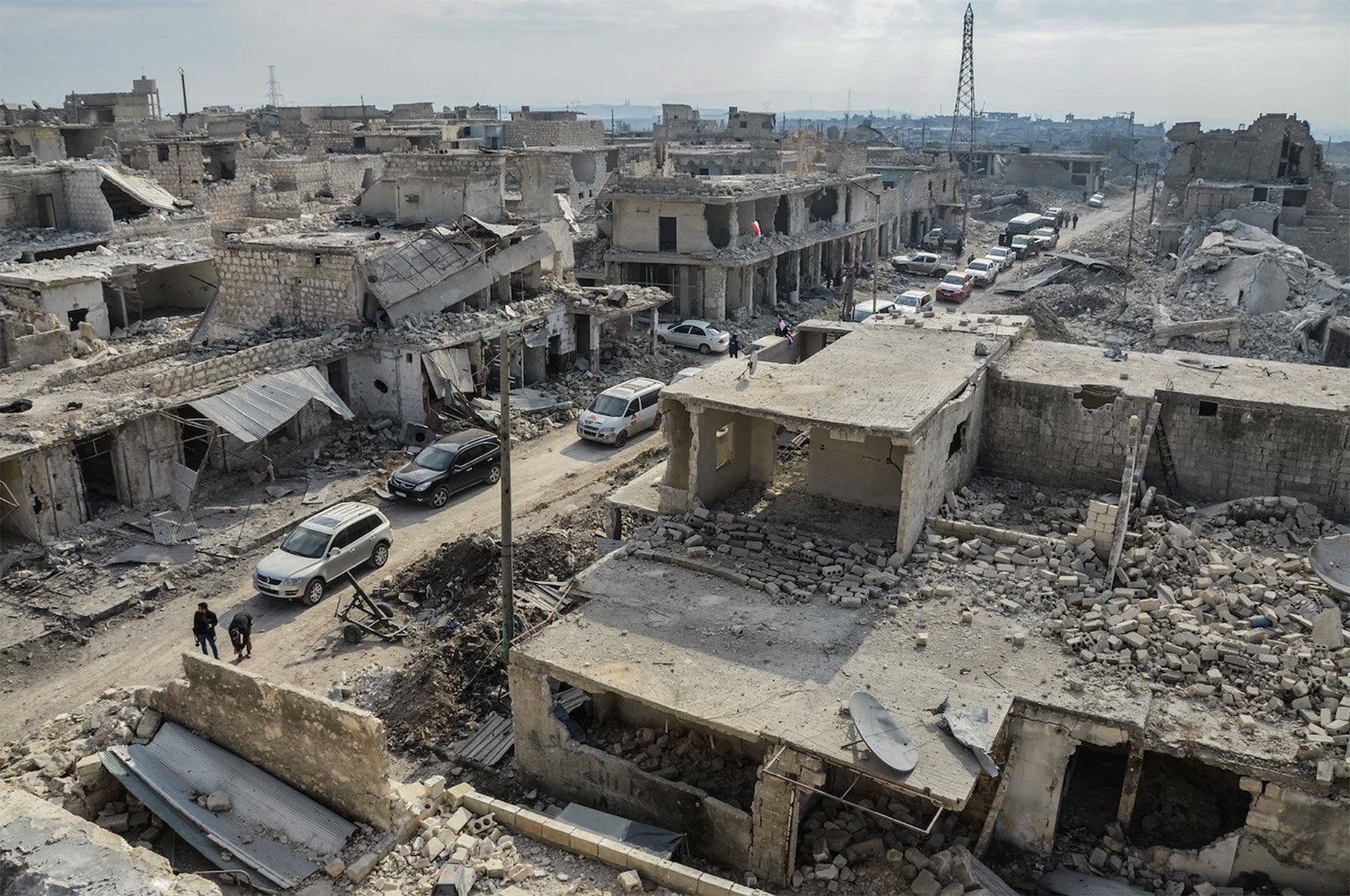
Of course you have seen media images of the destruction in Syria. But not these taken in mid-December when Eastern Aleppo was liberated. We live in a time when images – real and fake – influence perceptions more than ever. My photos are real. Documentary. They reflect my role as witness on the spot at a time when only a handful of Westerners were present. At a time, too, when all the mainstream media were conspicuously absent – as were the dual-purpose White Helmets who have delivered quite a few of the theatrical images from this war. As a conflict and peace researcher and photographer I take pride in using not only analytical texts but also the medium of photography. I am anyhow unable to describe just in words what I have seen. Thanks to modern technology the small, smart, independent and truthful of this world can compete, to some extent, with...
doveand1
“][/caption] In spring 2011 I was invited by then Danish foreign minister, Villy Søvndal, to be a keynote speaker at a conference in Copenhagen arranged by the ministry and the Danish Institute for International Studies (DIIS) with experts, then UN mediator Kofi Annan’s adviser, scholars, diplomats and, most importantly, a number of Syrian (opposition) politicians and civil society representatives. The minister left the conference when he had opened it and, like most politicians today, obviously did not give priority to listen to the input of this high-level group present in the conference room. I made these major points, trying to be as educative as I possibly could: 1) Look at conflicts as if they are problems to be solved – adhere to the peace research concept of the ABC conflict triangle and study A for Attitudes, B for Behaviour and C for the Contradiction/conflict that stands between people. (Cf. Johan...
beautysecret_PhSh
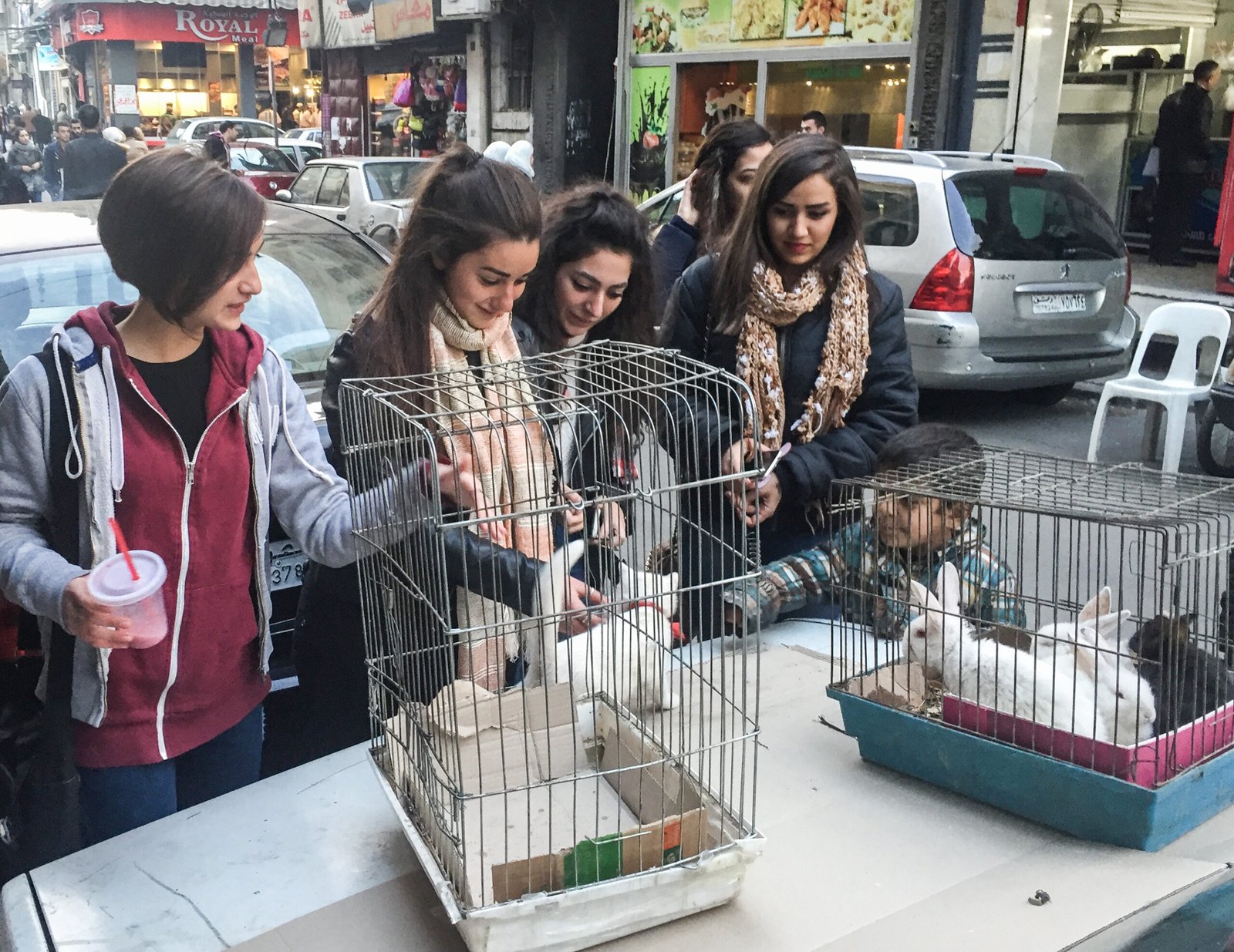
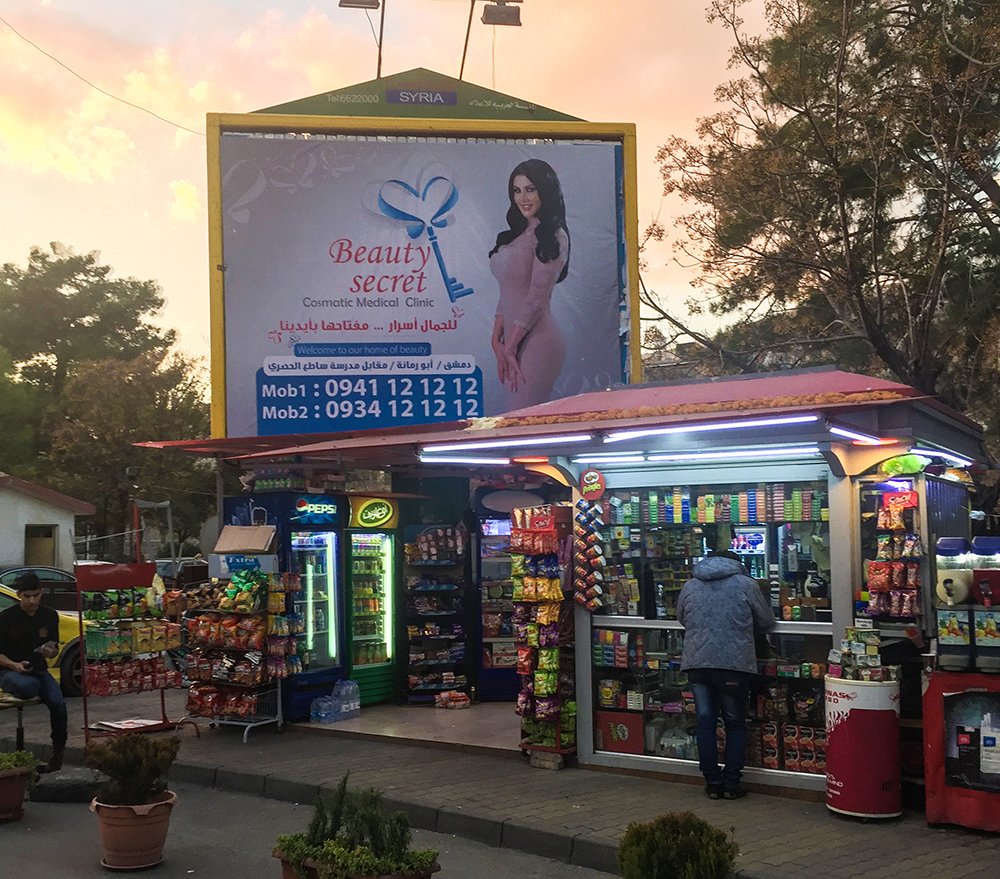
TFF Conflict and Peace Report Syria # 2 I’ve only passed through Damascus once before, in 2002 on my way to Baghdad. What meets you today is a beautiful city with checkpoints all over the place, your car trunk will be opened and papers checked. Seemingly useless explosives detectors are used – useless because they don’t catch that many drivers here today have a revolver or hand-grenade under their seat. But you’d probably be surprised, like I was, at how normal it otherwise feels. At the surface. Traffic is intense, pollution thick, shops are filled with goods, I see fewer beggars here than in Lund, Sweden. People enjoy excellent food (I haven’t had such good meals for long) at restaurants with live music and entertain themselves at the omnipresent cafés. As everywhere else in war zones, people whose lives have been shattered in many ways – and there are few...
file

 
 I’m writing to you from war-torn Syria where the suffering of the people is beyond comprehension, heart-breaking. 
 The war in and on Syria has been started in spring 2011 – the underlying conflicts much much earlier. 
 What our media have shown us is snipers, bombings, killings, ruins, dead bodies and press conferences with Western politicians. 
 But did you “see” the underlying conflicts? 
 Get an understanding of what the problems standing between the parties are? 

Did you get the impression that weapons is the only thing “they” understand? 
 Did you feel hopeless about it all? Confused? Depressed because of all the human suffering? 
 That peace is impossible? 
 If so it’s because we are missing a huge part of the picture. We need something else. 
 We need to switch from – repetitive and depressive – war and violence reporting to conflict and...
jonathanpower2
President-elect Donald Trump is about to make the American rich even richer with his plan to cut their taxes. A cause for shame. Nevertheless, the history of America is that poorer people have done better than is commonly thought over the last two centuries. Today they have indoor plumbing, heating, electricity, smallpox and tuberculosis-free lives, adequate nutrition, much lower child and maternal mortality, doubled life expectancy, increasingly sophisticated medical attention, the availability of contraception, secondary level schooling for their children and a shot at university, buses, trains and bicycles, much less racial prejudice, longer retirement, a rising quality of the goods they buy, better working conditions and the vote. Once these were luxuries that only the richer could experience. It has been shown by many studies that happiness increases fast as poorer people get better off but that beyond a certain point – an income of $15,000 per person per...

johangaltung
The National Society of High School Scholars, Claes Nobel World Betterment Award The Carter Center I am very grateful for the 2016 Claes Nobel World Betterment Award – Claes being the great grandnephew of Alfred – and to the NSHSS-National Society for High School Scholars, here at the Carter Center in Atlanta. Let me start by praising you for your dedication to Education, focusing on the high school–in the middle, after K and grade school, before college and graduate school–on teachers and students, learning and doing research, treating them with respect, bestowing dignity. Society has institutions, like Family, Work and Economy. Sports get too much attention, Education too little. Politics is about leading and being led, Military is about killing not to be killed. These two get you into trouble. I have heard this afternoon much about leading, leaders, led. Führer and Duce are German and Italian for leader, “duce”...